
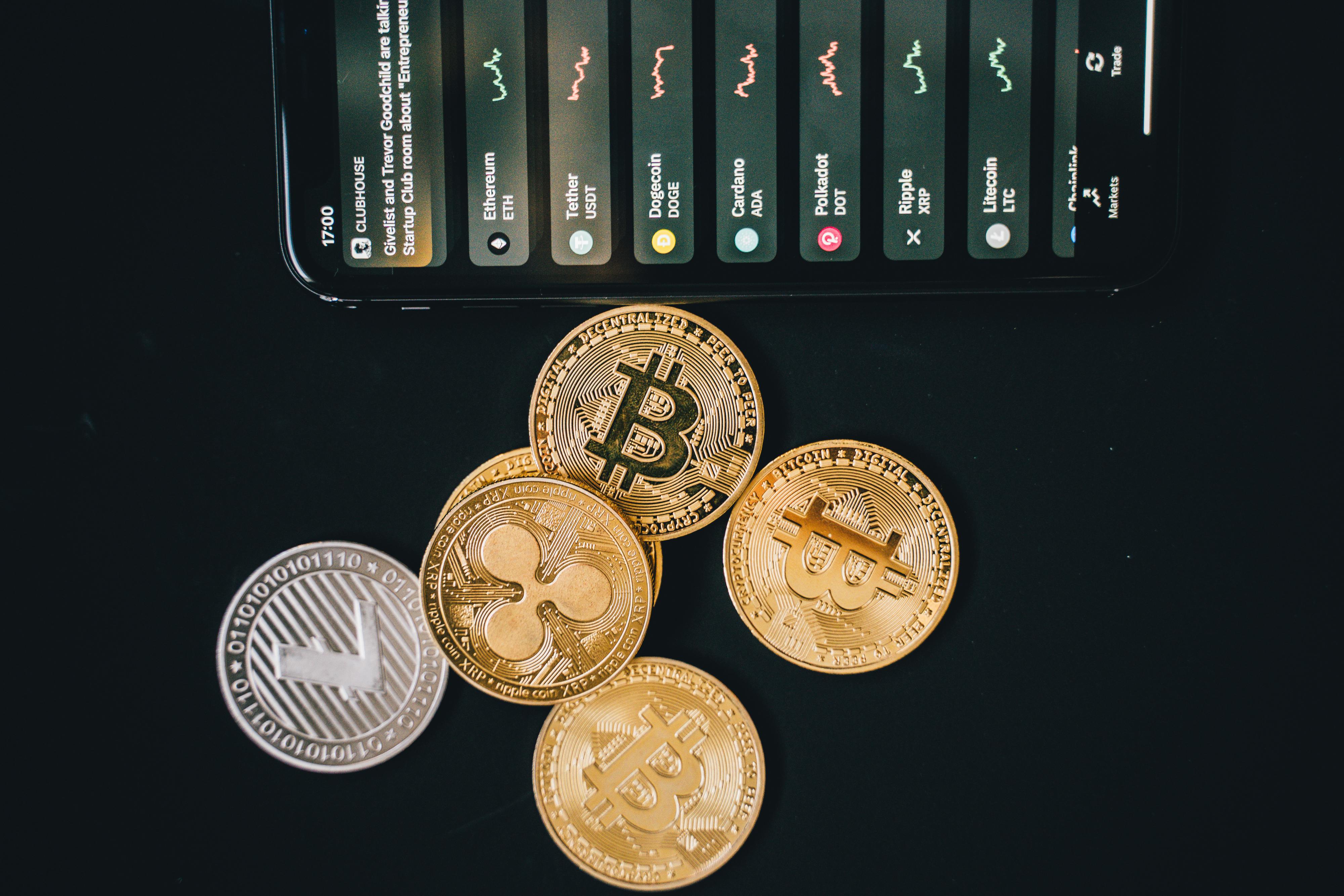
A practical bitmex exchange review in 2026 has to answer three questions, not one. What does it cost to buy and sell crypto on the venue. How does the order book behave when meaningful size has to clear. And what does the trading engine do when an order is submitted. Cost, liquidity, infrastructure – these three together decide whether an exchange earns a place in a portfolio or just sits as another set of credentials in a password manager. The rest of this bitmex review walks through each of them with UK readers in mind.
What Sits Under the Bonnet at the BitMEX Crypto Exchange
BitMEX has been live since 2014, which makes it one of the oldest continuously operating venues in crypto. The legal entity is HDR Global Trading Limited, founded by Arthur Hayes, Ben Delo and Samuel Reed. The exchange built its name on engine reliability and treasury discipline, and both of those carry across to the cash market that runs on the same infrastructure today.
Two structural points matter before getting into mechanics. The first is the order book model. BitMEX runs a peer-to-peer order book with no B-Book. The exchange does not warehouse risk against client trades and does not take the other side of orders. Pricing is set by other participants, not by an internal market maker. For someone used to platforms where the broker effectively quotes the price internally, this is a different relationship – every fill comes from another trader posting on the book, and the venue earns a trading fee on each match rather than a spread on the position.
A bitmex crypto exchange in 2026 also looks broader than its legacy reputation. The product mix covers direct purchases of XBT, ETH and a curated list of major altcoins quoted against USDT and USDC, with native copy trading on the platform (with an additional Hyperliquid leaderboard integration), the platform’s own Reverse Copy Trading product, built-in grid bots and Multi Asset Margining across USDT, USDC, ETH and XBT layered around the trading interface. Alongside the cash market, the venue also runs TradFi Perps – perpetual contracts on US equities (up to 20x), commodities (up to 25x) and major forex pairs (up to 100x) – though derivatives products are not available to UK retail consumers; the spot market remains the relevant entry point for this audience. BMEX staking is one of two ways to qualify for higher fee tiers, with maximum savings versus the base Regular 1 rate of up to 75%.
How Are BitMEX Fees Structured in 2026?
| Tier | BMEX Staked | 30D Volume (USD) | Spot Maker | Spot Taker |
|---|---|---|---|---|
| Regular 1 | ≥0 | ≥0 | 0.0500% | 0.0500% |
| Regular 2 | ≥1,000 | ≥1,000,000 | 0.0500% | 0.0500% |
| Regular 3 | ≥10,000 | ≥2,500,000 | 0.0500% | 0.0500% |
| VIP 1 | ≥50,000 | ≥10,000,000 | -0.0025% | 0.0500% |
| VIP 2 | ≥150,000 | ≥25,000,000 | -0.0050% | 0.0500% |
| VIP 3 | ≥300,000 | ≥50,000,000 | -0.0075% | 0.0500% |
| VIP 4 | ≥750,000 | ≥100,000,000 | -0.0100% | 0.0500% |
| VIP 5 | ≥2,000,000 | ≥250,000,000 | -0.0150% | 0.0500% |
BMEX staking is one of two ways to qualify for higher fee tiers (the other being 30-day trading volume). The maximum discount versus the base Regular 1 rate is up to 75%, with stakers also earning APY in the 5–7.5% range depending on tier. See https://www.bitmex.com/bmex for the current curve.
The single live source for tier movements and any fee schedule update is https://www.bitmex.com/app/fees.
What Does Liquidity Look Like on the Order Book?
Liquidity is the part of a bitmex exchange review that gets overlooked the most often, and it is also the part that decides whether the fee numbers above translate into actual realised cost.
On the flagship pair, XBT against USDT, the top of book typically holds tight spreads at low size with depth thinning across the next several layers. Behaviour matters more than the snapshot. During a normal European afternoon, hitting the offer with a retail-sized clip clears at the screen price. During a US data release or a sharp Asia-session move, the same order can sweep through several levels because passive liquidity steps off the book ahead of the print.
ETH against USDT and the major altcoin pairs run thinner than XBT/USDT on average book depth, and the spread-to-depth ratio improves on each as 24-hour volume rises. For position sizing, the working assumption should be that flagship pairs absorb retail clips without slippage, while mid-cap altcoin books reward breaking up larger orders rather than using a single market sweep.
One engine-level feature conditions liquidity behaviour from the trader’s side. Max Slippage Protection caps how far through the book a market order can fill before it stops, and the default is on. The cost of leaving it off, on a thin book during a fast move, is a fill that lands several percent away from the screen price. Limit orders sidestep the issue at the cost of execution certainty; the slippage cap is the middle path for traders who need to get filled but not at any price.
Trading Engine: Order Types and Execution Controls
Order types cover the spectrum a serious trader expects. Limit, market, stop limit, stop market, take profit limit, take profit market, trailing stop, hidden and iceberg orders are all natively supported on the order ticket without any API setup required.
Hidden orders sit on the book without showing depth, useful for traders concerned about order book signalling on instruments where size moves the price. The trade-off is reduced priority versus visible orders at the same level, so hidden becomes interesting at sizes where leaving footprint is genuinely costly, not for retail tickets where the priority cost outweighs the signalling benefit. Iceberg orders break a larger order into displayed slices, refilling automatically as each slice fills – similar to manually working an order in pieces, with the engine handling the refill rather than the trader watching the book. Trailing stops adjust the stop level as price moves favourably, locking in distance rather than absolute price.
Latency on the matching engine sits in the millisecond range for retail-routed orders. For UK readers writing automated buy and sell logic against the API, the more relevant variable is geographic distance to the matching infrastructure rather than the engine’s own latency profile. A London-based VPS will see a different round-trip than a New York one, and that difference dominates the timing budget for any execution that depends on reacting inside a single market tick.
Custody, Reserves and Withdrawal Infrastructure
Trading infrastructure does not stop at the matching engine. The custody and treasury side decides what happens to funds between deposits, withdrawals and the trades in between – and for a holder buying coins outright, this is arguably the half of the platform that matters most.
Custody uses MPC, multi-party computation, for key management. The private key is never assembled in one place at any stage; signing happens through distributed shares held by separate parties, so no single device or operator ever holds the full key material. Storage of client assets is 100% cold, with no hot-wallet exposure designed into the architecture. Customer assets are segregated and not lent to other users.
Proof of Reserves and Proof of Liabilities are published twice a week at https://www.bitmex.com/app/porl. The verifier source is open, which lets a technically inclined holder check that on-chain balances match the platform’s stated obligations rather than relying on a third-party audit summary.
Standard withdrawals are processed automatically in batches. Larger withdrawals undergo manual review – check the platform for current thresholds and processing times.
Collateral, Multi Asset Margining and Account Setup
Multi Asset Margining lets USDT, USDC, ETH and XBT all sit in the same account and back orders without manual sub-wallet reshuffling between trades. For a trader who keeps a stablecoin reserve and rotates into BTC or ETH on dips, this means routing a buy in either coin from a single balance pot without first converting between collateral assets. The engine applies the platform-set weighting automatically.
Account setup follows the standard exchange path: email registration, KYC document submission, address verification, then access to deposits and withdrawals. UK readers should expect verification turnaround in line with any other major venue – minutes for routine cases, longer where a document is rejected and resubmitted.
Bottom Line
The infrastructure case for the BitMEX crypto exchange in 2026 is straightforward. Eleven years of continuous operation without a custody breach, MPC plus 100% cold storage, Proof of Reserves twice a week with an open-source verifier, a peer-to-peer order book with no B-Book, an 8-tier fee ladder that rewards either staking commitment or volume, and a unified collateral pot across the four most-held base assets.
What the platform offers, at the cash-market end, is the same engine and treasury discipline that built its reputation, applied to straightforward buying and selling of the major coins.
 Raymond Ferguson